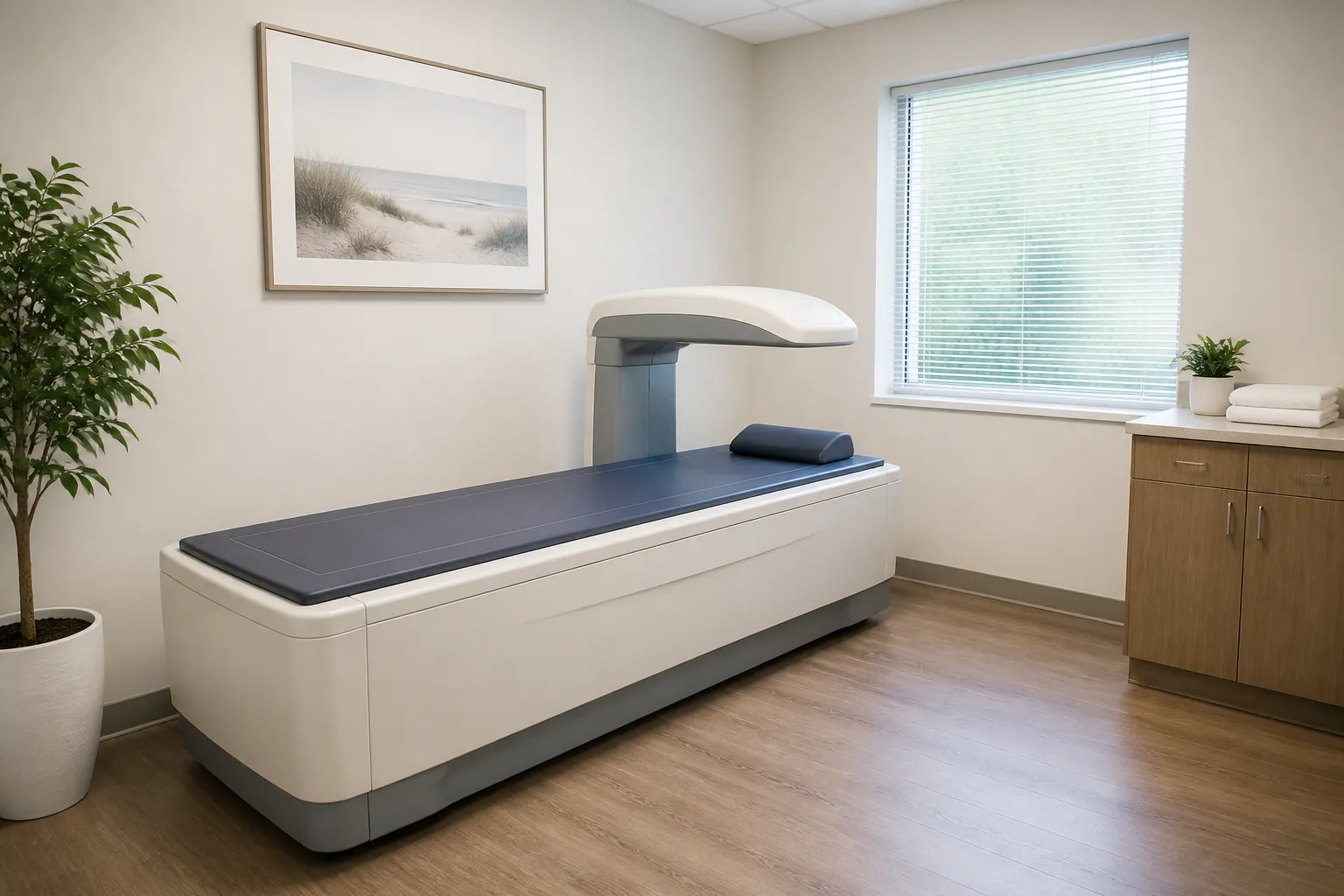
Bone loss can happen quietly, without a clear warning sign until a fracture or back pain changes your routine. If you have noticed height loss, repeated fractures, weaker posture, or you simply know bone health runs a concern for you, a screening can help clarify what is going on.
At ENDO CHECK, located at 29 N CASS AVE STE E WESTMONT IL 60559-1669, we evaluate bone health through a focused endocrine lens so you can understand your risk, your results, and your next steps. We look at the whole picture, including hormone balance, vitamin D status, calcium issues, and other factors that can affect bone strength over time.
Osteoporosis screening is useful when bone loss may be developing without obvious symptoms. Many people feel fine until a minor fall, a sudden twist, or normal daily activity leads to a fracture. Screening can help identify bone thinning earlier, when there is still time to slow loss and lower future risk.
At ENDO CHECK, we often see patients who want a clearer answer after a fracture, after menopause, after long-term medication use, or after learning that a hormone issue could affect the bones. A screening visit can also be helpful if your primary care provider has raised concern about low bone density or abnormal calcium or vitamin D results.
Osteoporosis is not only about age. Bone strength can be affected by endocrine conditions, nutrition, lifestyle factors, and medications. That is why a screening visit is more than a single result. We review the details that can explain why bone loss may be happening and what can be done next.
ENDO CHECK considers your medical history, symptoms, prior fractures, and any existing lab work that may point to hidden bone risk. In some cases, screening also leads to evaluation of thyroid disorders, parathyroid concerns, vitamin D abnormalities, insulin resistance, or hormonal changes that influence bone remodeling.
Your visit starts with a conversation about your bone health concerns and your personal risk factors. We want to know what brought you in, what symptoms you have noticed, and whether there are clues from your medical history that may point toward bone loss or another endocrine condition.
From there, we may review relevant labs, prior imaging, and any history that helps determine whether a bone density evaluation is appropriate. If your results suggest low bone mass or a higher fracture risk, we discuss next steps clearly so you know what matters most and what can wait.
Because ENDO CHECK focuses on endocrine care, we pay close attention to causes of bone loss that are often overlooked. Hormones help regulate how bone is built and broken down, so a problem with one system can affect bone strength over time.
This is especially important for patients with thyroid disease, parathyroid disorders, adrenal concerns, PCOS, or other metabolic conditions. Bone thinning may be connected to an imbalance rather than age alone, and understanding that connection can shape a more useful treatment plan.
Screening is only helpful if the next step makes sense for your situation. If your bone density is normal, we may still discuss ways to support bone health and whether future monitoring is worthwhile. If results suggest osteopenia or osteoporosis, we review the level of concern and what should be addressed first.
The plan may include follow-up lab work, closer monitoring, nutrition guidance, weight-bearing activity suggestions, or treatment discussions based on your overall endocrine profile. For some patients, the most important step is correcting a calcium, vitamin D, or hormone issue that is contributing to bone loss.
It can be easy to assume bone loss only matters later, but earlier attention often leads to better decisions. If you have already had a fracture, have a strong family history of bone weakness, or are living with a hormone condition that can affect bone density, waiting for symptoms may not be the safest plan.
Patients seeking Osteoporosis Screening at ENDO CHECK often want answers that connect the dots between hormones, labs, and fracture risk. That approach helps you move beyond guesswork and toward a plan grounded in your actual health picture at 29 N CASS AVE STE E WESTMONT IL 60559-1669.
People with prior fractures, menopause-related hormone changes, thyroid disease, calcium issues, low vitamin D, or a family history of osteoporosis should consider screening. It may also help if you have unexplained back pain, height loss, or concern about bone weakening.
Screening looks for signs of low bone density and fracture risk. It also helps identify contributing factors such as hormone imbalance, calcium problems, vitamin D deficiency, or other endocrine concerns that can affect the bones.
Yes. Thyroid, parathyroid, adrenal, and sex hormone changes can all influence how bone is built and maintained. That is why an endocrine evaluation can be valuable when bone loss is suspected.
No. Bone loss can progress without clear symptoms. Many people learn there is a problem only after a fracture, a lab abnormality, or a provider notices a risk pattern that should be reviewed.
If results suggest low bone density, we review what it means for your fracture risk and talk through next steps. Those next steps may include more labs, monitoring, lifestyle guidance, or treatment discussions based on your health profile.
Yes. Screening often connects with thyroid care, hormone evaluation, metabolic testing, and calcium-related concerns. At ENDO CHECK, those pieces can be reviewed together so the plan reflects the full picture.
If you are worried about bone loss or have been told your risk is rising, scheduling a screening can give you direction. ENDO CHECK can help you understand whether osteoporosis, osteopenia, or another endocrine factor may be part of the picture and what to do next.
Call +16303246825 or email care@endocrinecheck.com to learn more about Osteoporosis Screening at 29 N CASS AVE STE E WESTMONT IL 60559-1669.

Take the Next Step
Reach out to ENDO CHECK to discuss diabetes, thyroid concerns, weight management, PCOS, hormone changes, or other metabolic questions. We will help you understand what evaluation may be appropriate and what your next step could look like.